Street-Closure Rules in Hounslow: Booking a Lorry Bay
If you are planning a move, a delivery, or a bulky pick-up in Hounslow, the last thing you want is a truck circling the block while the team tries to find somewhere legal to stop. That is exactly where Street-Closure Rules in Hounslow: Booking a Lorry Bay come into play. Done properly, a lorry bay booking can save time, reduce stress, and help you avoid the kind of awkward roadside chaos nobody enjoys on moving day.
In simple terms, this is about using road space lawfully and safely so a larger vehicle can load or unload without causing disruption. Sounds straightforward. In practice, there are a few moving parts: permissions, timing, bay suitability, vehicle size, and whether your job actually needs a reserved space at all. This guide walks through the essentials in plain English, with practical advice you can use before a van or lorry arrives at the kerb.
It is written for anyone who wants a smoother move, fewer surprises, and a clearer sense of what to check before the first box is lifted.
Why Street-Closure Rules in Hounslow: Booking a Lorry Bay Matters
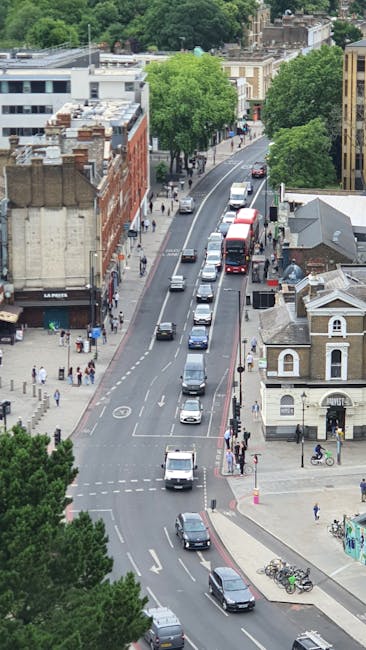
Let's face it: a moving job is rarely just about moving. It is also about access, timing, parking, and not upsetting everyone else on the street. In a busy part of west London, a lorry bay or temporary loading space can be the difference between a smooth handover and a frustrating delay that snowballs through the day.
Why does this matter so much? Because a large vehicle that cannot stop close enough to the property can turn a simple delivery into a long carry, extra labour, or a missed booking window. If the street is narrow, parking is tight, or traffic is flowing steadily, the margin for error gets very small. You notice it most on damp mornings, with drivers waiting, neighbours trying to get past, and boxes stacked in the hallway. Not ideal.
Street-closure rules also matter because they protect everyone using the road. A reserved lorry bay or approved closure helps keep pedestrians, cyclists, and other motorists safer while loading is underway. It is not just about convenience; it is about controlling risk in a shared public space.
For businesses, the stakes are a bit different but just as real. A commercial move that runs late can affect staff, customers, deliveries, and opening times. If you are moving offices or handling stock, the right bay arrangement can keep the whole operation from grinding to a halt. That is why many people pair access planning with commercial moving support or broader office relocation services when the job is more than a standard house move.
Expert summary: if your vehicle needs to stop where general parking is restricted, if you need to hold space outside the property, or if your moving date is fixed, checking street-closure and bay-booking requirements early is one of the easiest ways to protect your schedule.
How Street-Closure Rules in Hounslow: Booking a Lorry Bay Works
The exact process can vary depending on the location, the type of street, and the nature of the work, but the basic idea is consistent: you are asking for lawful, controlled access to a section of road space so a lorry, removal truck, or similar vehicle can load or unload safely.
In practice, there are usually a few questions to answer:
- Is the space a standard loading bay, a suspended parking bay, or a section of road that may need temporary restrictions?
- How long will the vehicle need to stay there?
- What size and weight of vehicle are you using?
- Will the stop affect traffic flow, residents, or nearby businesses?
- Does the job need signage, barriers, traffic management, or a formal closure rather than just a bay?
The phrase "street closure" can sound dramatic, but it is not always about shutting down an entire road. Often, people are really talking about managing a bay, suspending parking, or reserving a loading area so the vehicle has a workable place to stop. A lorry bay booking is a practical access solution; a full closure is a more serious measure and usually only needed when the road layout, vehicle size, or safety considerations demand it.
There is also a timing issue. A lot of problems happen when people leave the booking too late. By the time the team arrives, the bay may be occupied, neighbours may not have been told, or the truck may not be able to sit safely near the property. If you are using a man and van service or a larger removal truck hire, the right bay arrangement can make a surprising difference to how long the job takes.
One small but important point: the space has to suit the job. A bay that works for a small van may be completely impractical for a long-wheelbase vehicle or a full removal lorry. That sounds obvious, but people miss it all the time. Then the driver arrives and everyone does that awkward "well, we thought it would fit" dance. Nobody wins.
Key Benefits and Practical Advantages
Booking the right bay or managing street access properly is not just a box-ticking exercise. The benefits are real and usually show up quickly once the job starts.
1. Less walking, lifting, and wasted time
The closer the vehicle can get to the property, the fewer trips you need to make. That reduces fatigue, lowers the risk of knocks and drops, and keeps the move moving. For furniture, white goods, or stacked archive boxes, this is more than a convenience. It is efficiency.
2. Better safety on a busy street
When loading happens in a controlled bay or restricted section, there is less chance of a driver stopping in a dangerous spot or blocking sightlines. This matters in streets with narrow lanes, school traffic, parked cars, or pedestrians stepping between vehicles.
3. Fewer delays caused by parking problems
Even a ten-minute parking hunt can throw off a tight schedule. If you have access sorted before arrival, the team can get straight to work. That is especially helpful for time-sensitive jobs like office moves, end-of-tenancy handovers, or same-day deliveries.
4. Better coordination with neighbours and building management
A reserved bay makes it easier to explain what will happen and when. Residents are less likely to be surprised, and building managers can plan around the access window. Truth be told, this often reduces tension before it starts.
5. Lower risk of damage
When a lorry is forced to park far from the entrance, the extra carrying distance increases the chance of scuffed walls, strained lifts, or something being set down too quickly. Good access planning keeps the handling route short and sensible.
If you are moving a house, pairing bay access with home moves support or house removalists can make the whole day feel less chaotic. And yes, that calm feeling is worth a lot when you are surrounded by half-packed rooms and disappearing kettle mugs.
Who This Is For and When It Makes Sense
This is not only for huge removals or commercial fleets. Plenty of everyday jobs benefit from proper street access planning.
- House moves: when you need a removal vehicle close to the front door or entrance.
- Flat moves: especially in terraces, narrow cul-de-sacs, or blocks with limited on-street parking.
- Office relocations: where timing, equipment, and staff access all matter.
- Furniture pick-ups: for heavy items that should not be carried a long distance.
- Deliveries or collections: when a vehicle needs short-stay loading space.
- Large van jobs: if a standard parking bay is too tight or too far away.
It makes the most sense when one or more of these are true:
- the street is usually full by daytime
- the property is on a main or busy road
- the vehicle is larger than a small van
- there is no private driveway or loading area
- the job has a strict time window
- you are moving items that are awkward, fragile, or heavy
If that sounds familiar, you are in the right place. A lot of people only think about road access once the team is already outside with the tail lift open. Better to sort it before anyone is standing on the pavement looking at the sky, wondering who can move what.
Step-by-Step Guidance
Here is a practical way to approach street-closure or lorry-bay booking without making it more complicated than it needs to be.
Step 1: Work out what kind of vehicle you actually need
Start with the vehicle, not the paperwork. A compact van, a larger man-and-van setup, and a removal truck all have different space needs. If you are unsure, choose the vehicle size based on the heaviest and bulkiest items, not just the number of boxes. A sofa can tell you a lot about whether your plan is realistic.
Step 2: Check the street layout
Look at the road in daylight if possible. Measure the practical space near the property entrance, note any corners, yellow lines, parking bays, trees, bike lanes, or busier junctions, and think about where the vehicle would actually stand. A bay that looks fine from the front room window may be awkward once a long wheelbase vehicle pulls in.
Step 3: Decide whether a loading bay, suspended bay, or fuller access control is needed
Sometimes a standard loading bay is enough. Sometimes the area needs to be reserved. In busier locations, temporary traffic management or a more formal street closure may be the safer route. The right choice depends on how much room the vehicle needs and whether it can stop without obstructing traffic.
Step 4: Build the access plan into your move date
Do not treat the booking as an afterthought. Once your moving date is fixed, work the bay requirement into the schedule. If you are using packing support, such as packing and unpacking services, allow the access window to line up with the team's arrival time. Waiting around because the bay is not available is a waste nobody needs.
Step 5: Confirm who is responsible for the arrangement
Sometimes the property owner, tenant, removal company, building manager, or employer takes responsibility for access permissions. Sometimes it is shared. Agree this early. It avoids the classic last-minute "I thought you had booked it" conversation, which is never a pleasant one.
Step 6: Prepare the site on the day
Keep the route clear, park your own car elsewhere if needed, and make sure key contact numbers are available. If barriers, cones, notices, or access credentials are part of the plan, have them ready. The smaller the friction on the day, the better the whole move feels.
Step 7: Monitor timing closely
Access windows can be tight. If the crew is delayed, or the street becomes busy, a short slip can matter. Aim to be ready earlier than you think you need to be. Honestly, moving day is not the time to run on hope.
Expert Tips for Better Results
Here are the little things that tend to make the biggest difference. Not glamorous, but useful. Very useful.
- Match the access to the load: if the biggest items are wardrobes, beds, cabinets, or office desks, plan for the space those pieces need when they are manoeuvred out of the building.
- Keep the carrying distance short: even a few extra metres matter when you are lifting something heavy, wet, awkward, or valuable.
- Think about the weather: rain changes everything. Wet paths, slick kerbs, and muddy entrances slow the process and can make loading riskier.
- Check nearby restrictions: school times, market activity, rush-hour traffic, and local loading rules can all affect how practical a bay is.
- Use the right removal size: a smaller vehicle might fit better, but if it creates extra trips, the day can stretch out anyway.
- Label the fragile stuff clearly: if the team has to move quickly from vehicle to property, clear labelling helps reduce mistakes.
A useful rule of thumb: if the move feels borderline on paper, it is probably borderline in real life too. Adjust early. The fix is usually cheaper and calmer before the day starts.
And if you are handling a business move, the same logic applies. A considered plan for access often sits alongside moving truck arrangements or broader commercial moves planning, because commercial jobs are usually less forgiving than residential ones.
Common Mistakes to Avoid
Most access problems come from a few predictable errors. The good news? They are avoidable.
- Leaving it too late. The biggest issue by far. If the street space is needed, plan it as early as the move date.
- Assuming a bay is automatically enough. A bay is only helpful if it suits the vehicle, the lifting route, and the time window.
- Ignoring vehicle size. People often think in terms of "a van" when they really need to think in terms of length, height, turning room, and stopping space.
- Forgetting residents or neighbours. A bit of notice goes a long way. Less grumbling, fewer obstacles.
- Mixing up a loading stop with a closure. They are not always the same thing. The rules and level of control can be very different.
- Not checking the route into the property. The bay is only half the job. Stairs, entrances, narrow corridors, and lifts matter too.
One more thing: if the move includes an awkward single item, such as a piano, wardrobe, or large cupboard, think beyond the parking space. That object still has to turn, tilt, and pass through the doorway. There is no magic shortcut for physics. Shame, really.
Tools, Resources and Recommendations
You do not need a toolbox full of specialist equipment to plan this properly, but a few practical tools help.
- Measuring tape: useful for checking vehicle access, bay length, stair widths, and doorway clearance.
- Phone camera: take photos of the street, entrance, and any restrictions so everyone is looking at the same thing.
- Simple checklist: keeps the booking, packing, and access tasks in one place.
- Floor plan or rough sketch: especially helpful for office relocations or larger homes.
- Labelling kit: stickers, marker pens, and tape for clear box identification.
If you want extra help with the physical side of the move, a combined service can simplify the whole thing. For example, a man with van arrangement may suit lighter moves, while a larger booking may call for removal truck hire if the load is substantial. For delicate or bulky items, a dedicated furniture pick-up service can also be a sensible fit.
One final recommendation: keep your move notes in one place, not scattered across messages, notebooks, and forgotten emails. It sounds small, but it saves real time on the day.
Law, Compliance, Standards, or Best Practice
This topic sits in the practical overlap between road use, access management, and moving safety. The exact rules can depend on the street, local restrictions, vehicle type, and the nature of the booking, so caution is wise here. If a closure, bay suspension, or formal access arrangement is required, it should be treated as a proper permission issue rather than a casual parking request.
From a best-practice point of view, three principles stand out:
- Safety first: the vehicle must stop without creating a hazard for road users or pedestrians.
- Clarity: everyone involved should understand the time, location, and limits of the booking.
- Proportionality: use the lightest access control that still works safely for the job.
There is also a duty of care around the moving process itself. Drivers and movers should avoid unsafe stopping, blocking emergency access, or creating unnecessary obstruction. If you are organising a move for a business, it is sensible to keep internal stakeholders informed so there is no confusion about access responsibilities. For that kind of planning, the information available on the company background page can help you understand the team you are dealing with, while terms and conditions are always worth reviewing before booking.
Best practice also means keeping records: the booking time, who confirmed it, vehicle details, and any site notes. Simple, but effective. A calm paper trail beats a hurried memory every time.
Options, Methods, or Comparison Table
Not every move needs the same level of street access control. The right choice depends on the size of the vehicle, the road conditions, and how long the load or unload will take. Here is a simple comparison to help you think it through.
| Option | Best for | Advantages | Watch-outs |
|---|---|---|---|
| Standard loading bay | Short loading or unloading stops | Simple, efficient, often enough for lighter jobs | May not suit longer vehicles or busy streets |
| Reserved lorry bay | Larger removals and scheduled deliveries | Predictable access, shorter carry distances | Needs correct timing and may require more planning |
| Suspended parking space | Jobs where a parking bay must be kept free | Useful when roadside parking is the main obstacle | Must be arranged properly and checked in advance |
| Temporary street closure | More complex moves or tight, high-risk streets | Maximum control over access | Usually more involved and only suitable when genuinely needed |
So which one is right? That depends on the street and the vehicle, really. For a smaller domestic job, a well-timed bay reservation may be enough. For a large office clearance or a heavy furniture move, you may need a more robust plan. If the load is going to take a while, or if the vehicle must stay put, do not under-estimate the value of proper access control.
Case Study or Real-World Example
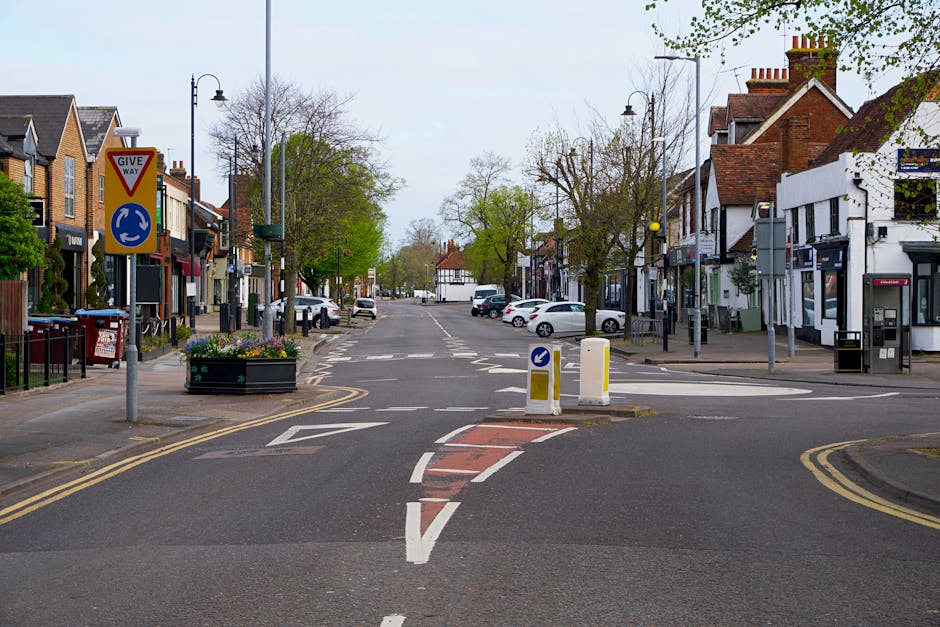
Picture a typical Hounslow street on a weekday morning. Terraces, parked cars on both sides, a couple of delivery vans passing through, and residents trying to head out for school and work. A family is moving out of a first-floor flat with a sofa, mattress, dining table, and a dozen boxes. Without a reserved bay, the removal vehicle would have to stop several doors away. That means a long carry, more interruptions, and a higher chance of something being bumped against a wall or dropped at the kerb.
Now change one detail: a proper lorry bay or loading space has been arranged in advance. The truck pulls in close, the team gets straight to work, and the heaviest items are moved in controlled, shorter lifts. The street stays more orderly, the neighbours are less disrupted, and the job finishes in a more predictable window.
That is the real value here. Not drama. Not paperwork for the sake of it. Just fewer bottlenecks at the point where moving usually becomes stressful.
We have seen the same pattern on office jobs too, especially when desks, archive boxes, and IT equipment need to be loaded quickly before staff arrive. A smooth bay arrangement is not flashy, but it changes the tone of the whole day. Quietly, it saves the day.
Practical Checklist
Use this checklist before moving day. It is simple, but it covers the essentials.
- Confirm the move date and arrival time.
- Identify the vehicle type and approximate length.
- Check whether the street space is a loading bay, parking bay, or requires a stronger access arrangement.
- Measure the likely carrying distance from vehicle to entrance.
- Review any height, width, or turning restrictions near the property.
- Tell residents, neighbours, or building management if needed.
- Prepare clear labels for boxes and fragile items.
- Keep paths, entrances, and stairways clear.
- Agree who is responsible for the booking and site coordination.
- Have contact details ready on the day.
- Build in a little buffer time. Just a little. It helps.
Quick takeaway: the smoother the access plan, the less the day depends on luck. That is usually where the real savings come from - time, effort, and a lot of quiet relief.
If you are still deciding how much support you need, it can help to compare the practical options around your move. A smaller move may suit a flexible vehicle and light assistance, while a more complex relocation may be better handled with broader planning and home move support or structured packing and unpacking services. If you need to speak with someone before you book, contact the team here for the next sensible step.
Conclusion
Street access is one of those things people rarely think about until it becomes the main event. But in Hounslow, where road space can be tight and timing matters, understanding how to book a lorry bay or manage street-closure rules is a practical advantage. It helps you protect the schedule, reduce carrying distances, and keep the move safer and calmer from the first box to the final handover.
The main lesson is simple: do not treat access as an afterthought. Match the vehicle to the job, check the street layout early, and make sure the booking reflects the real needs of the move. That one bit of planning can save a surprising amount of hassle later on.
Get a free quote today and see how much you can save.
And if today feels a little overloaded, that is fine. Sort the access first, then deal with the rest. One step at a time, and it gets easier.
Frequently Asked Questions
What does booking a lorry bay in Hounslow actually mean?
It means arranging lawful access to a roadside space so a larger vehicle can stop, load, or unload near the property without causing avoidable obstruction. In many cases, people use this phrase when they need a loading space, reserved bay, or temporary parking restriction rather than a full street closure.
Do I always need a street closure for a move?
No. Most moves do not need a full closure. A reserved bay, loading space, or suspended parking area may be enough. The right option depends on vehicle size, road width, traffic flow, and how long the vehicle needs to remain in place.
How early should I plan the lorry bay booking?
As early as possible, ideally once your move date is fixed. Leaving it late is the most common cause of avoidable stress. If the street is busy or the access is tight, earlier planning gives you more room to adjust.
What if the vehicle is larger than I expected?
That is a common issue. If the vehicle size changes, review the access plan straight away. A bay that worked for a small van may not work for a long-wheelbase vehicle or removal truck, especially on narrow streets.
Is a lorry bay only useful for house moves?
Not at all. It can be helpful for office relocations, furniture collections, bulky deliveries, archive moves, and other jobs that need close roadside access. The bigger the item and the tighter the street, the more useful a proper bay becomes.
What happens if the bay is occupied on the day?
If the space is not properly reserved or marked, the vehicle may have to park further away, which can slow the job down. That can mean more carrying, more labour, and more risk of delays. This is why confirmation and timing matter so much.
Can a man and van service still need a bay booking?
Yes, especially if the street is narrow, parking is limited, or the job involves heavy or awkward items. A man and van job may be smaller than a full removal lorry, but access still matters when stopping space is scarce.
What should I check before confirming the booking?
Check the vehicle size, road layout, likely carry distance, timing window, and whether any nearby restrictions may affect the stop. If there are neighbours or building management to inform, handle that early too.
Is there a difference between a loading bay and a street closure?
Yes. A loading bay is usually a limited space for stopping and loading, while a street closure is a more controlled restriction over a section of road. They serve different purposes and are not interchangeable.
How can I reduce the chance of delays on moving day?
Book early, confirm the vehicle size, keep the route clear, and make sure everyone involved knows the timing. If you are moving bulky furniture, using a furniture pick-up service or proper removal support can also make the day more predictable.
What if my move is commercial rather than residential?
Commercial moves often need tighter timing and better coordination because staff, stock, and business operations are affected. In that case, access planning is even more important, and it may be worth considering dedicated office relocation services or broader commercial support.
Where can I get help with the move itself?
If you need hands-on moving support, there are several service options to consider, from home moves to removal truck hire. The best choice depends on how much you are moving, how far it needs to travel, and how tight the street access is.